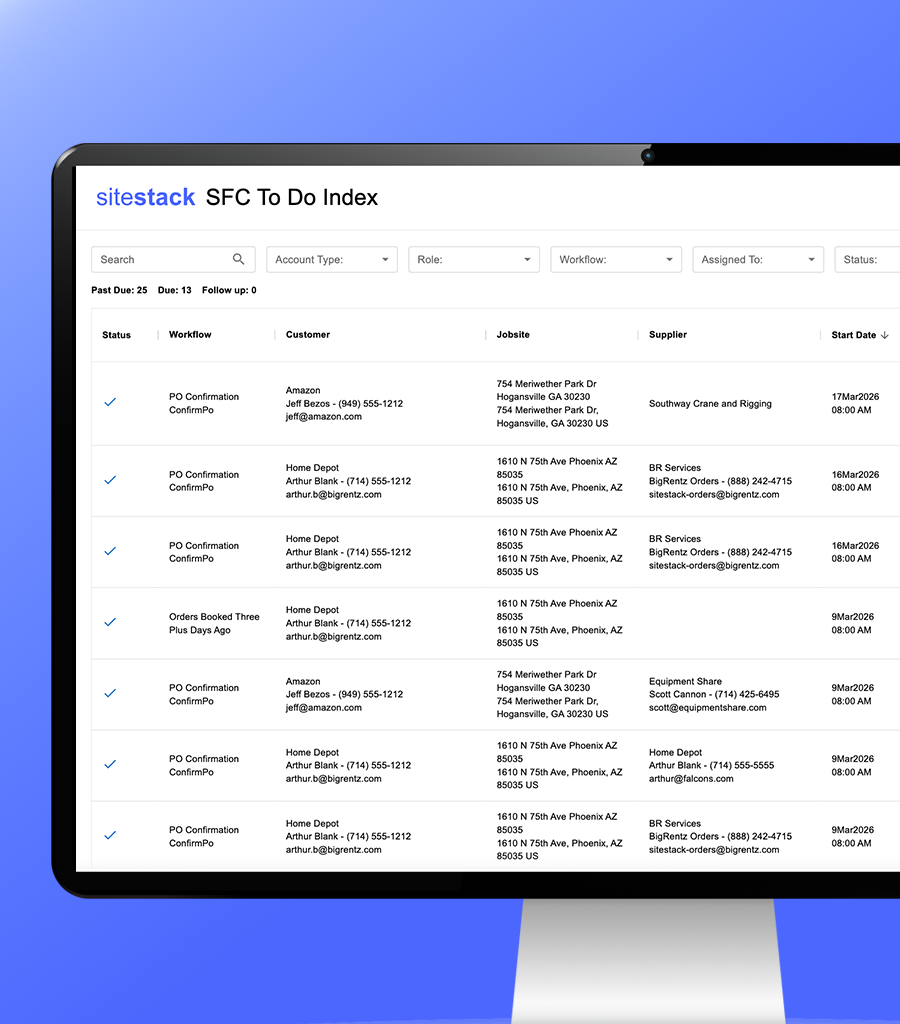
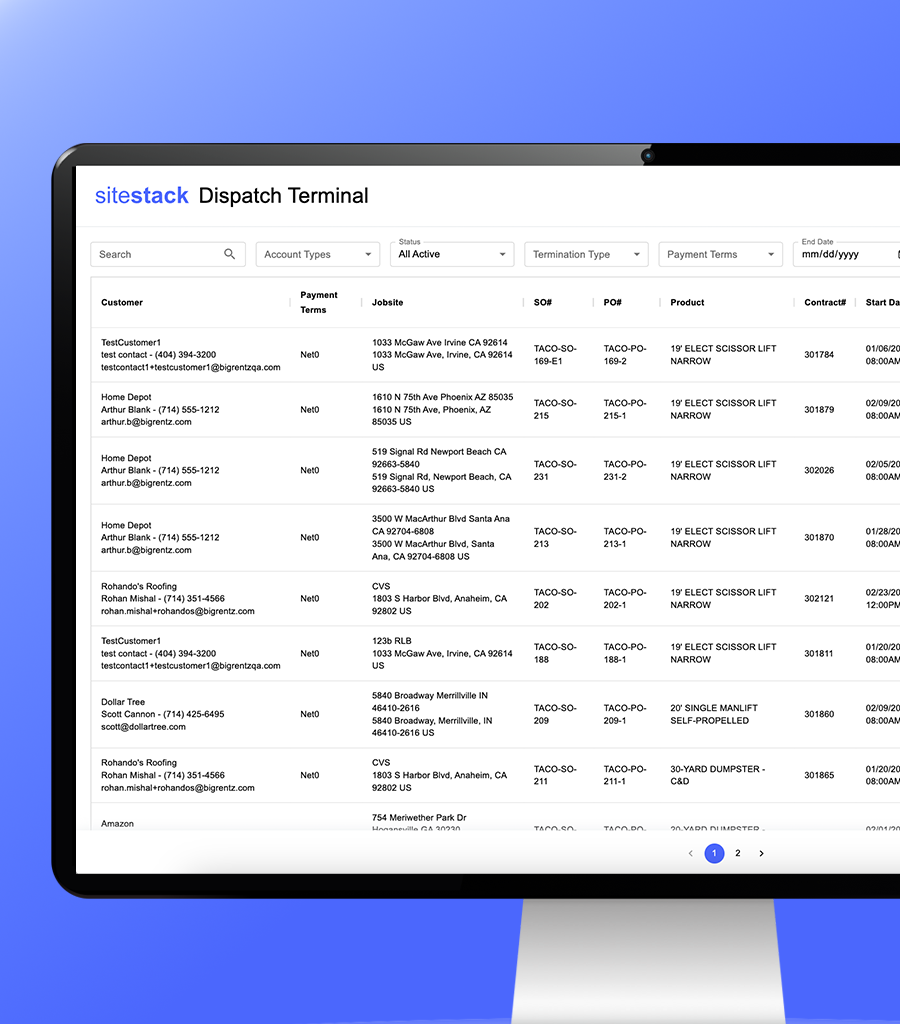
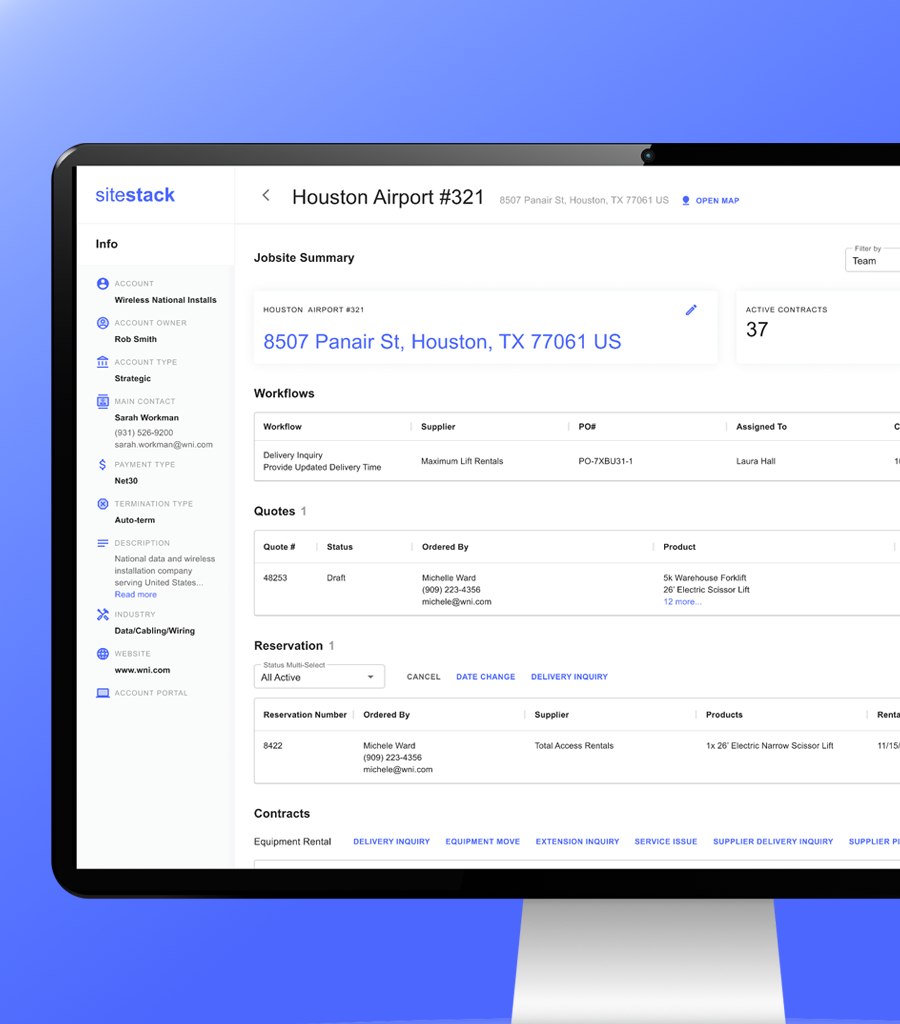
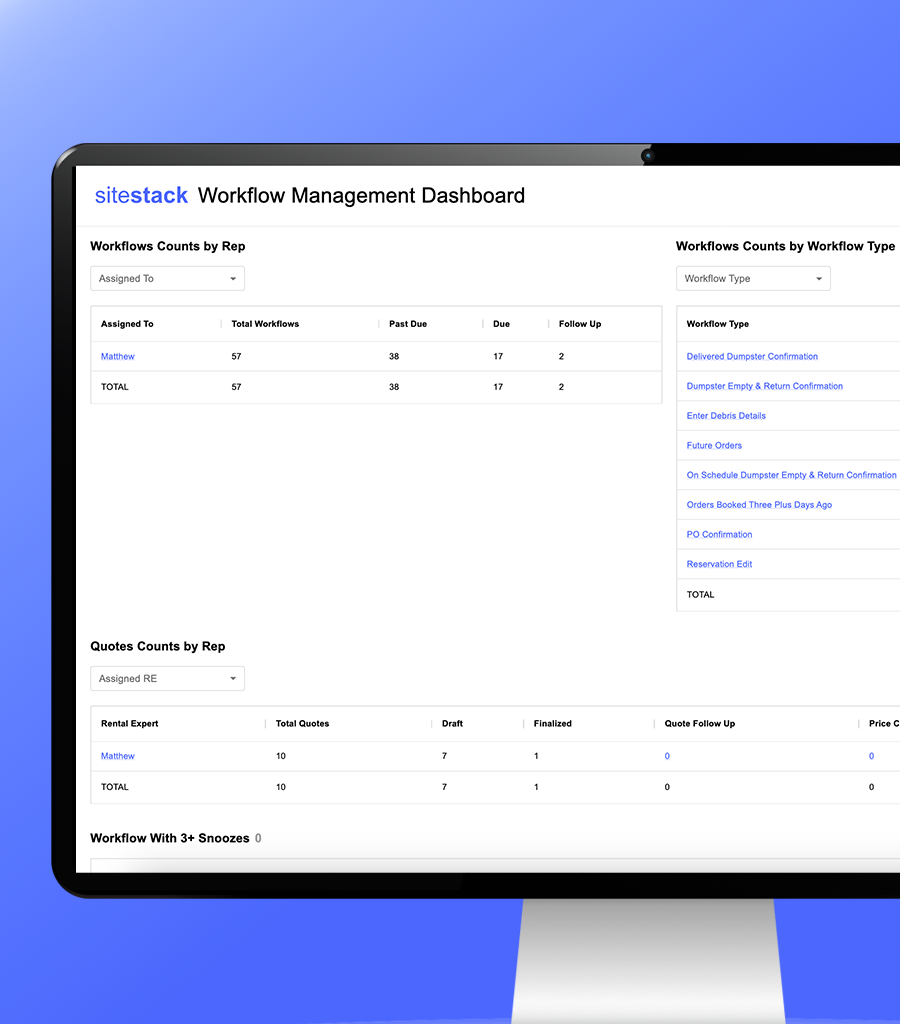
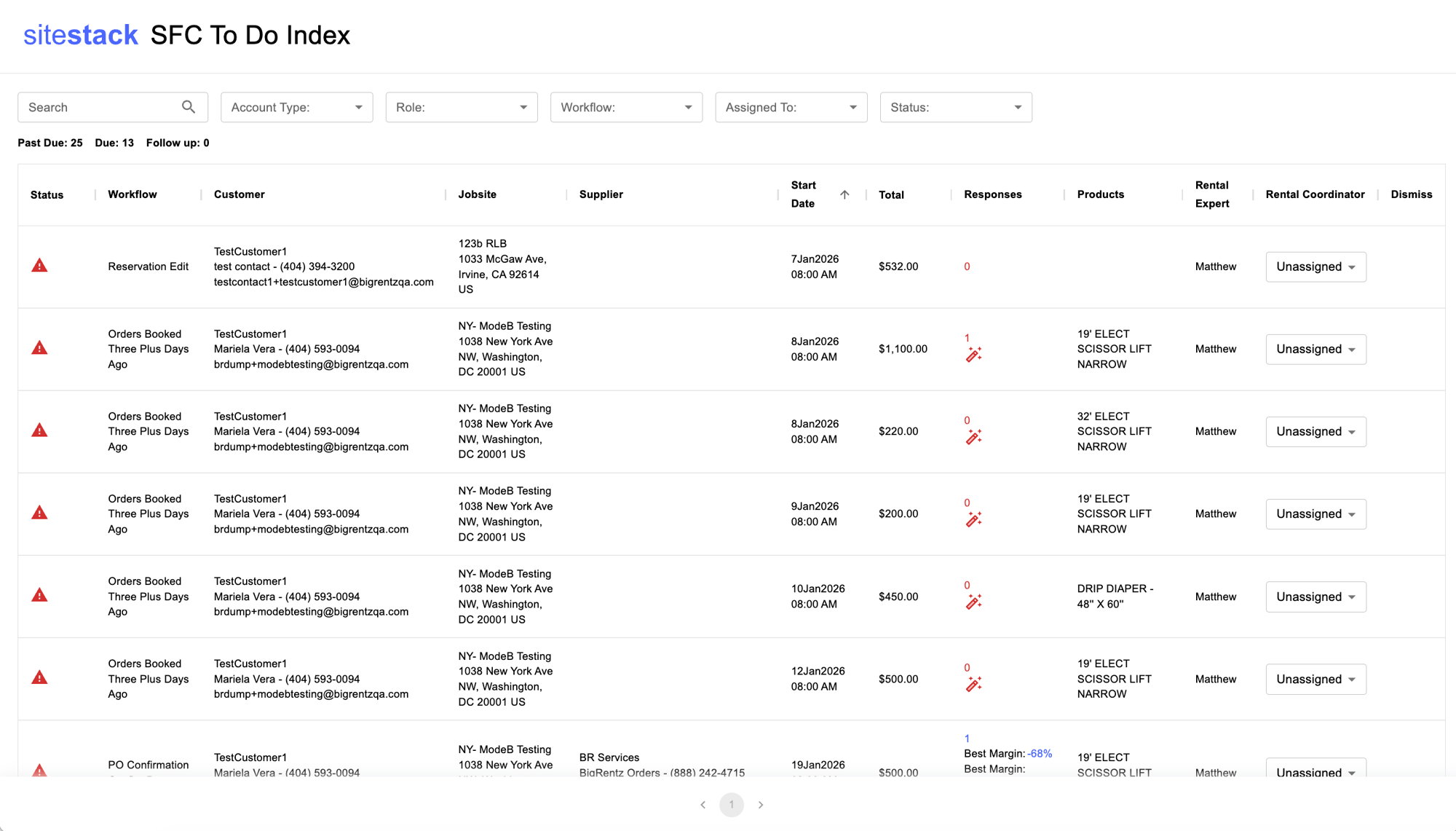
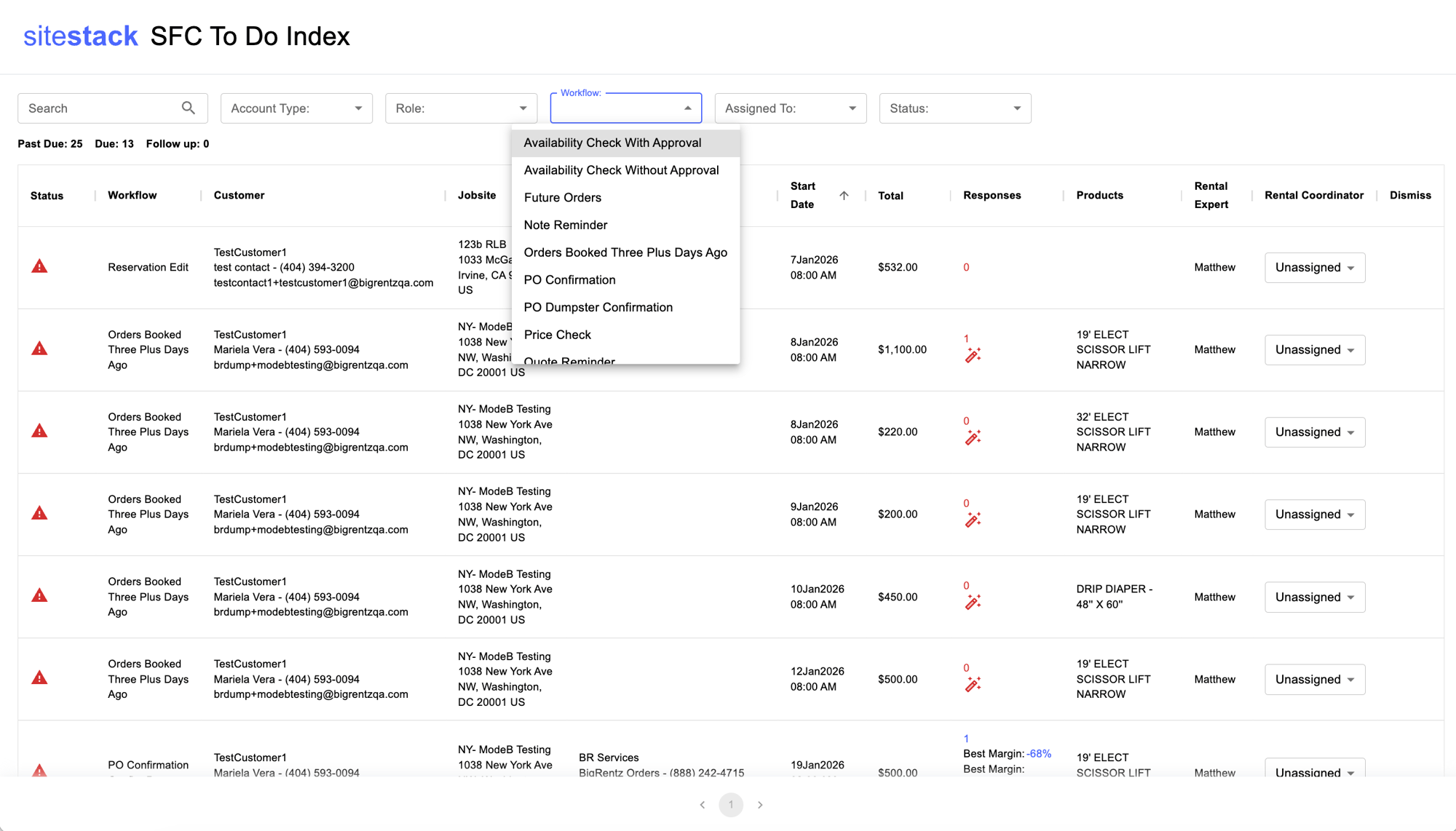
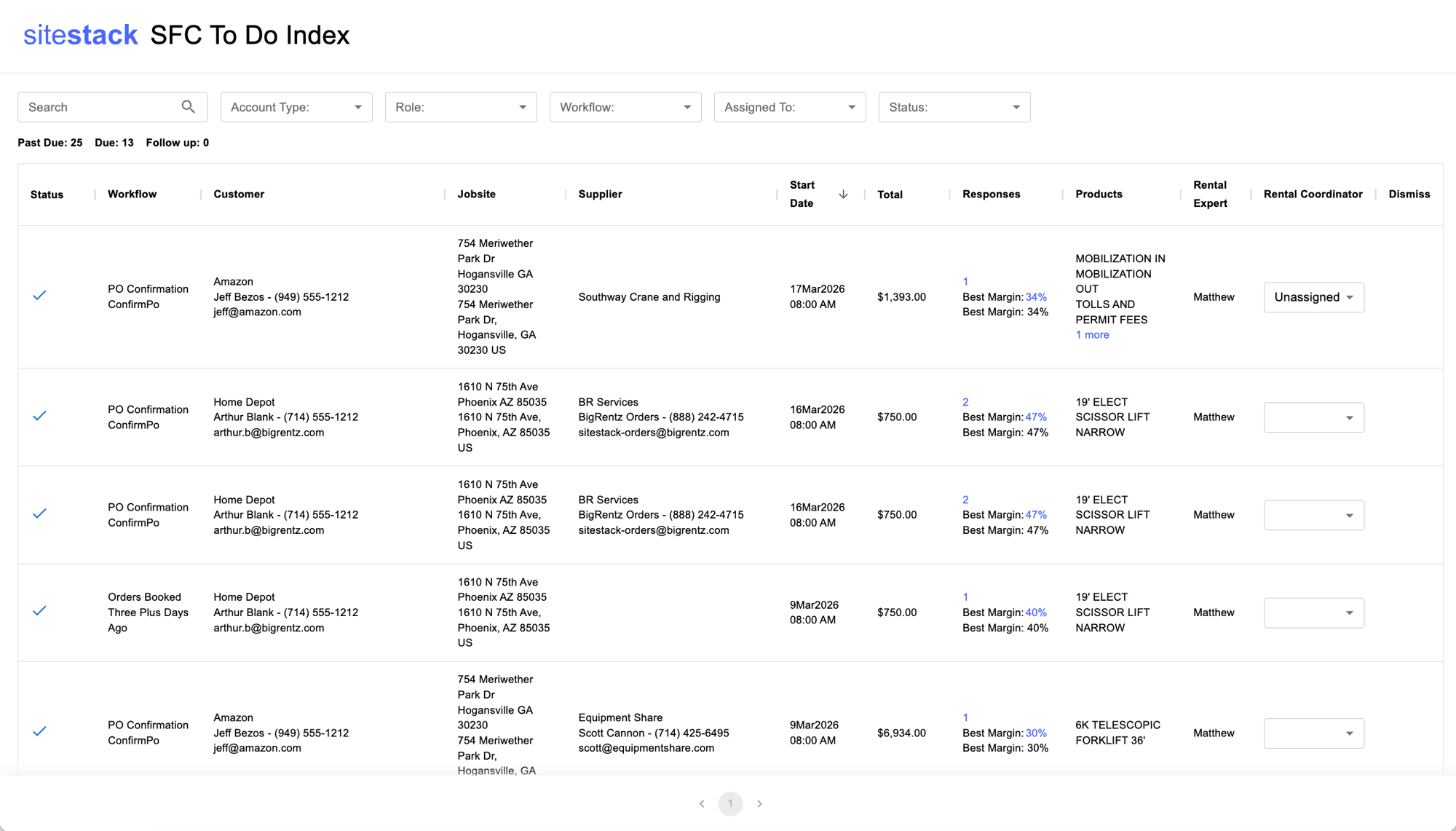
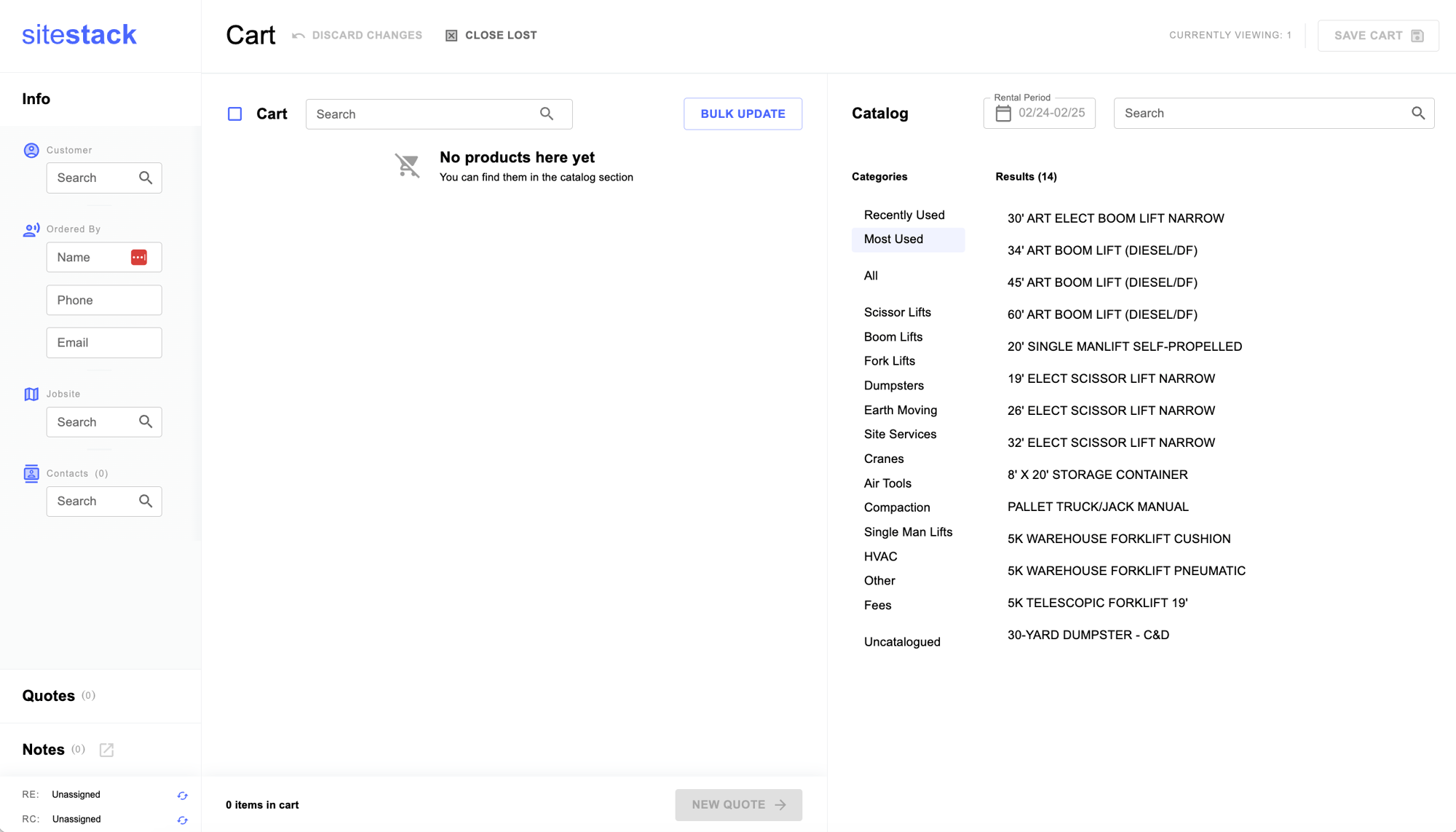
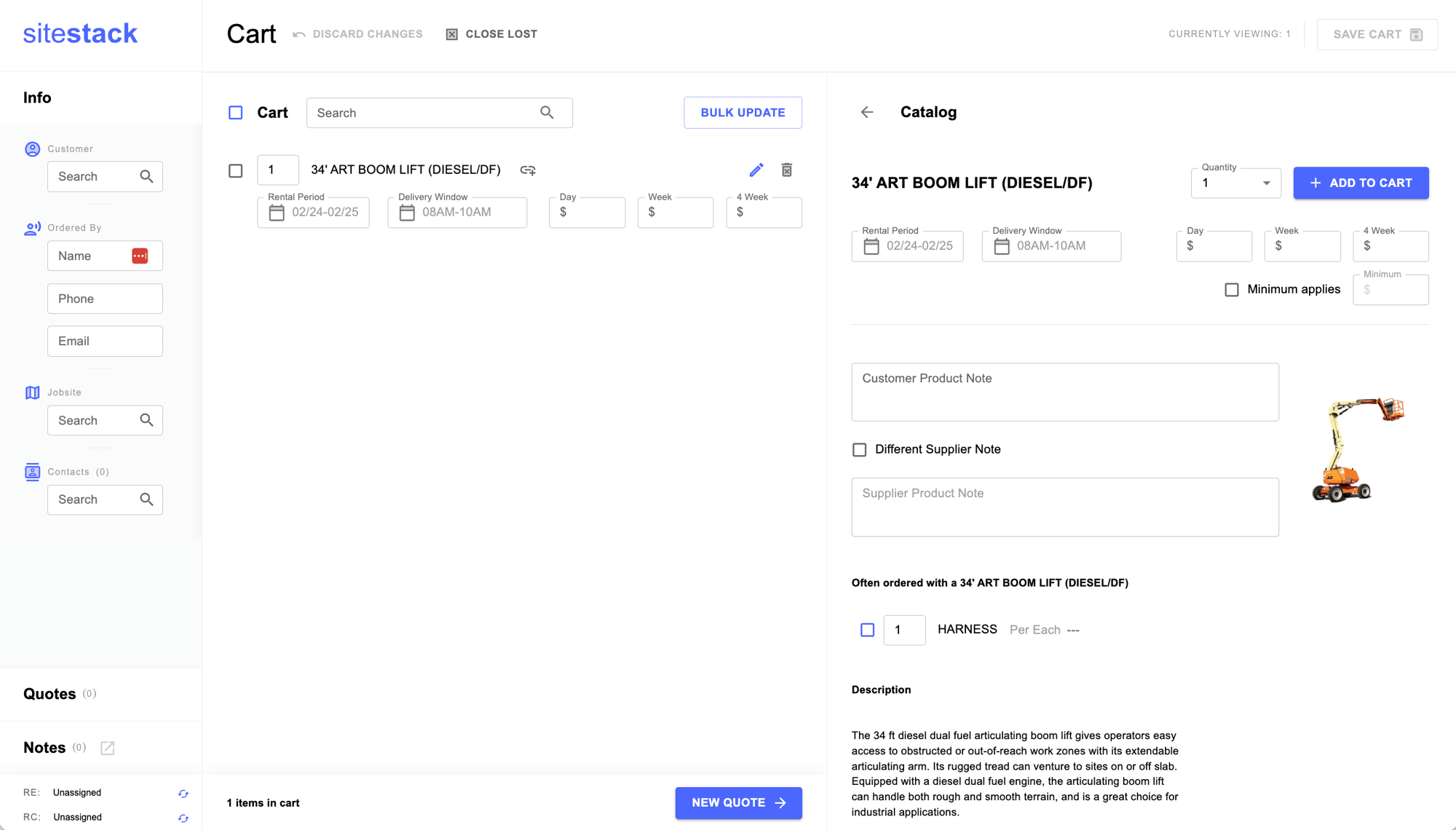
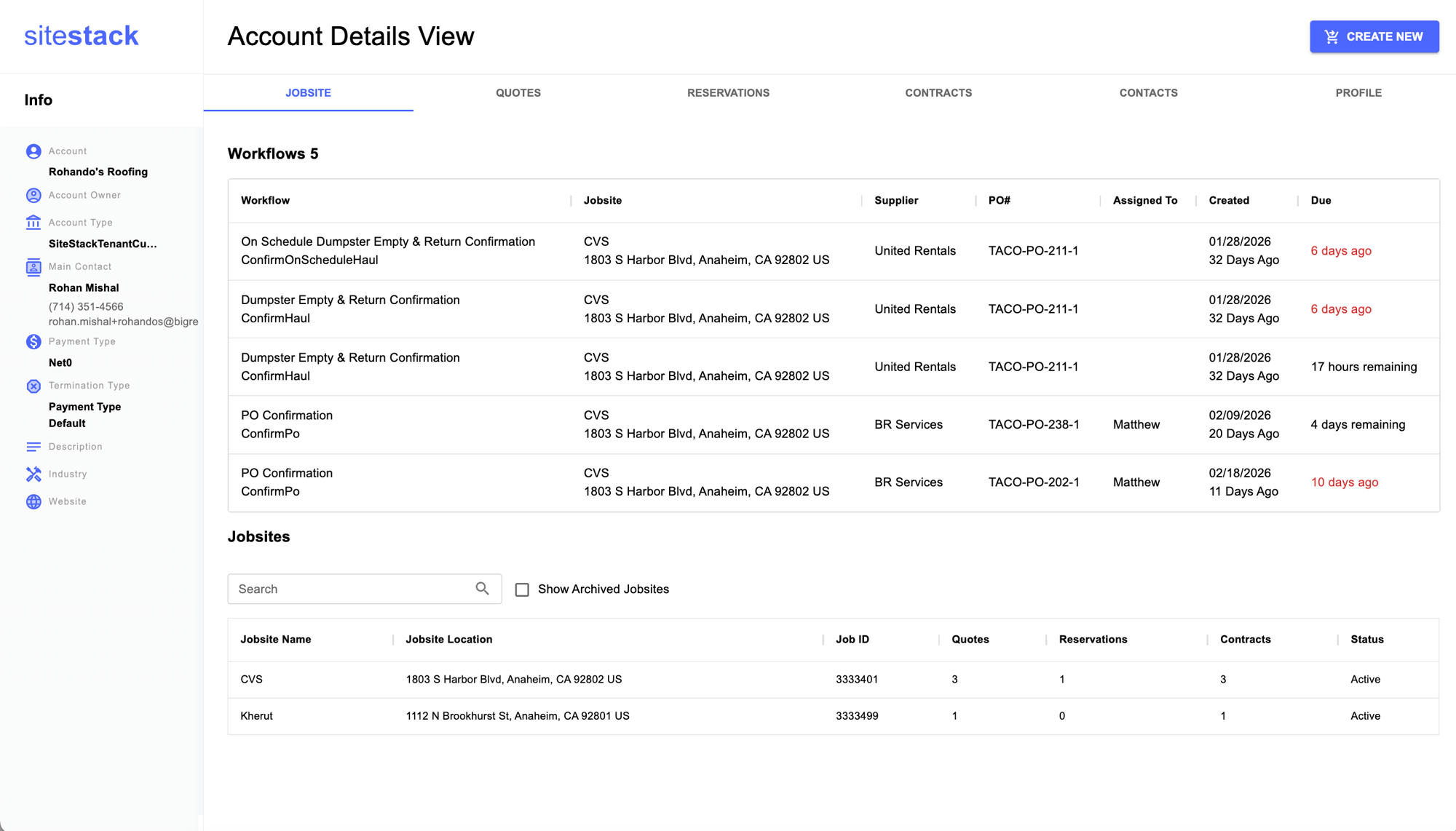
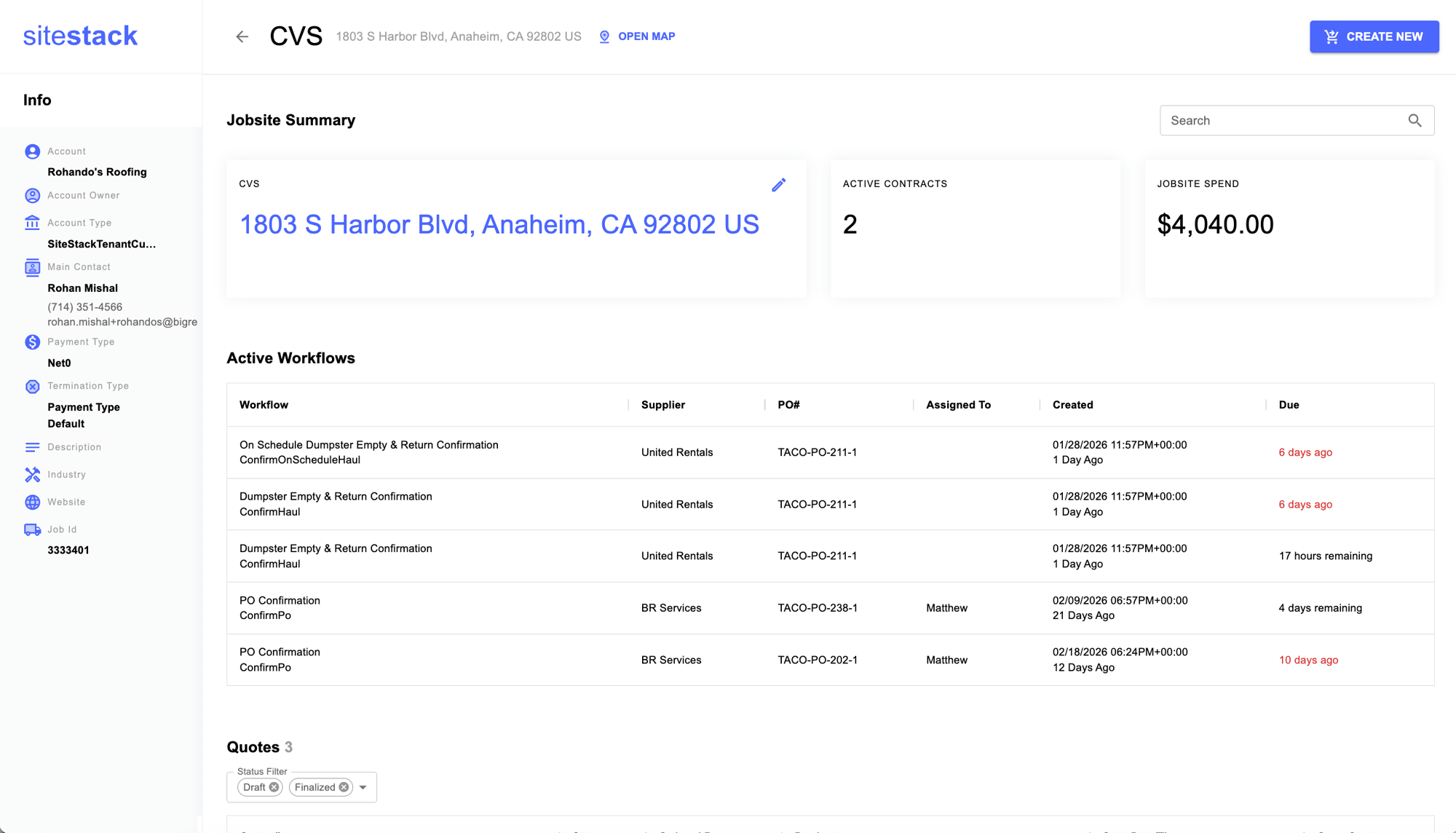
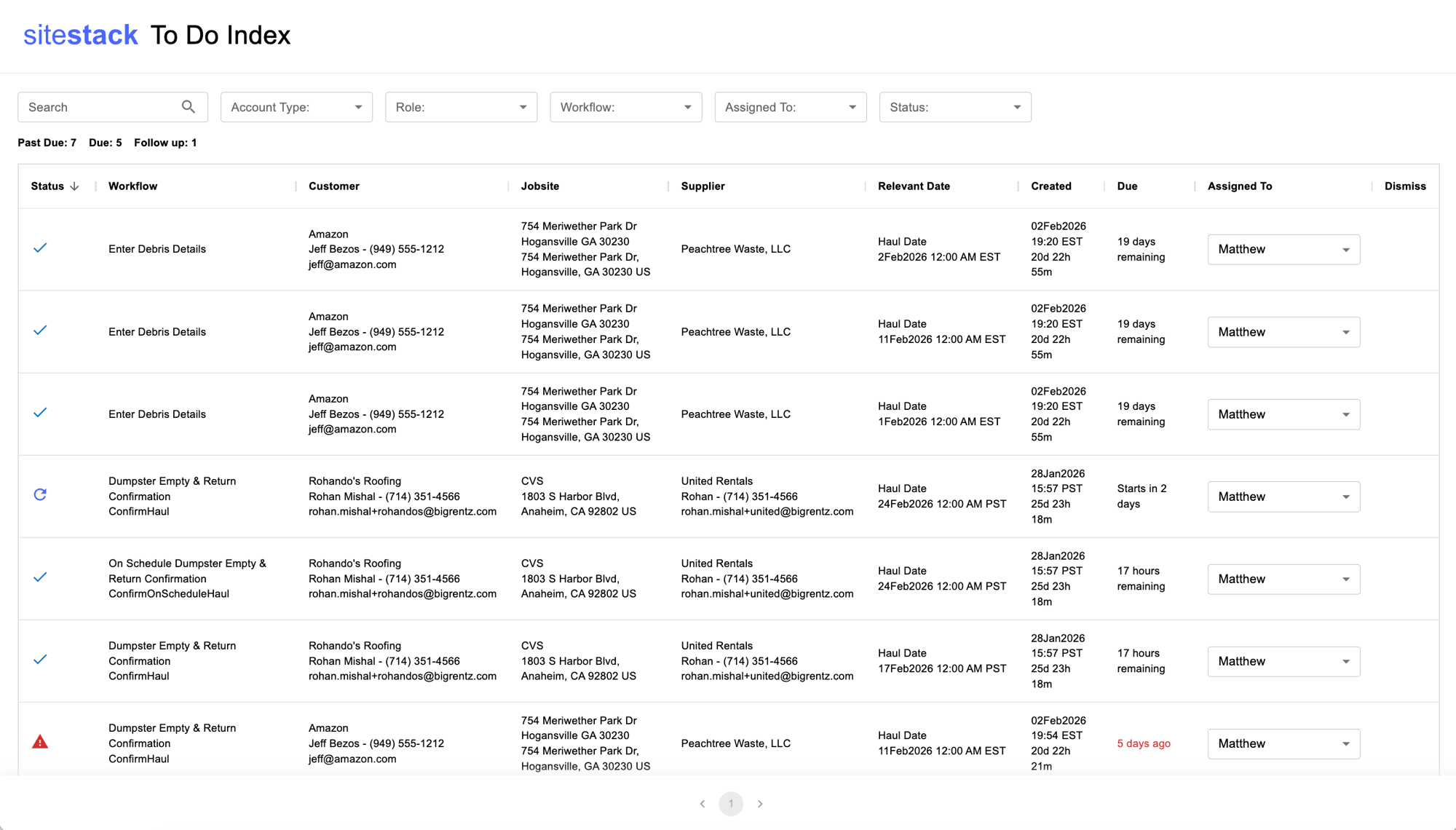
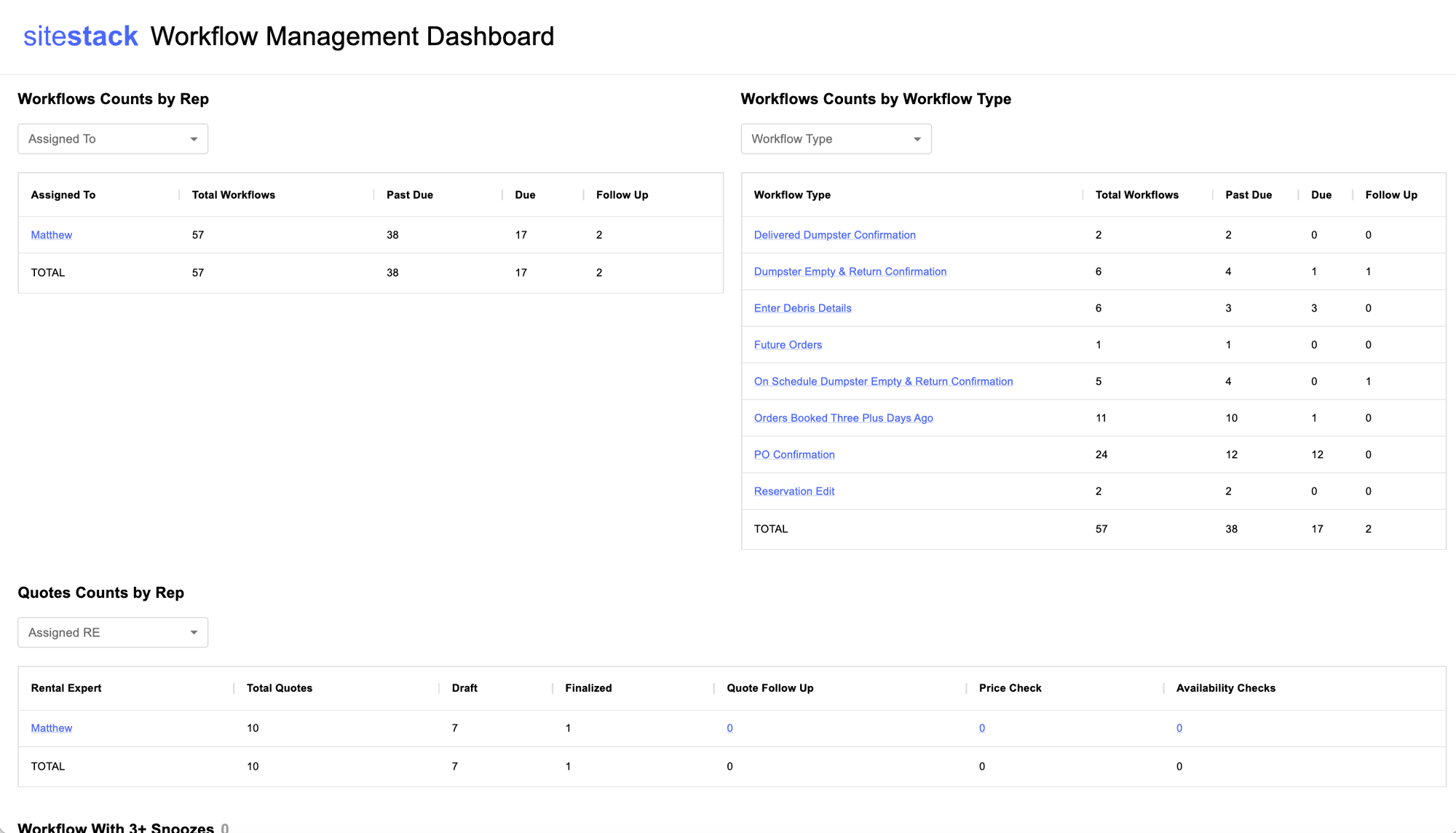
SiteStack helps contractors decide how each equipment need should be fulfilled — from internal equipment when available or from external rental suppliers — then orchestrates the workflow from request through dispatch, call-off and financial closeout.
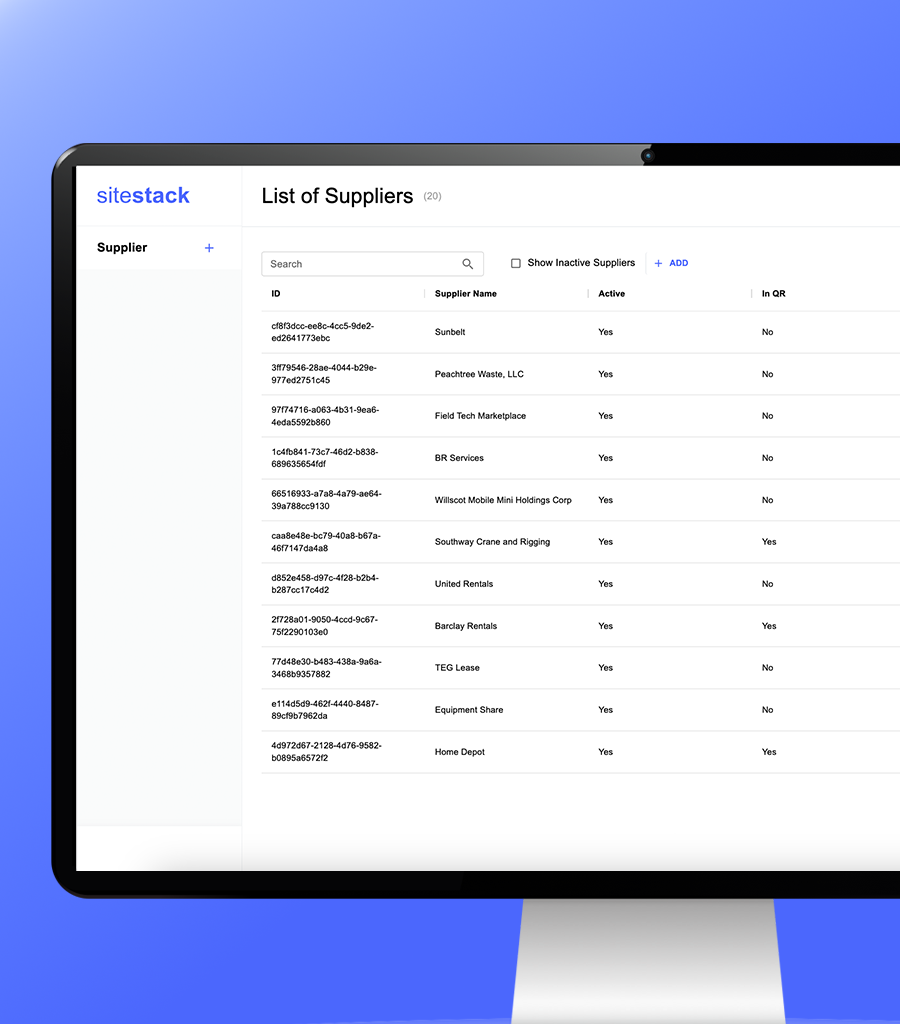
For rental-dependent organizations, the same platform controls external suppliers and the full rental lifecycle.
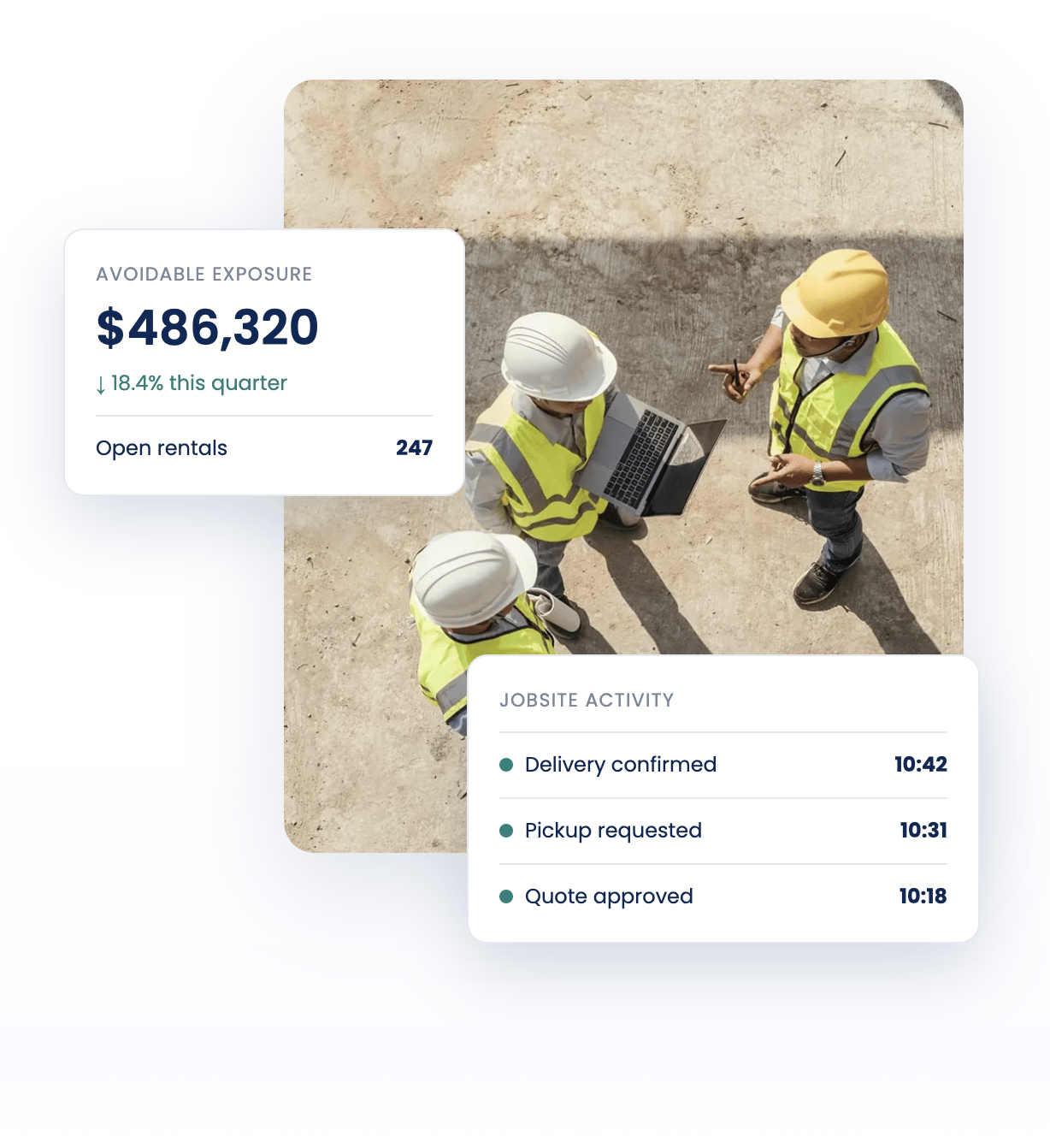
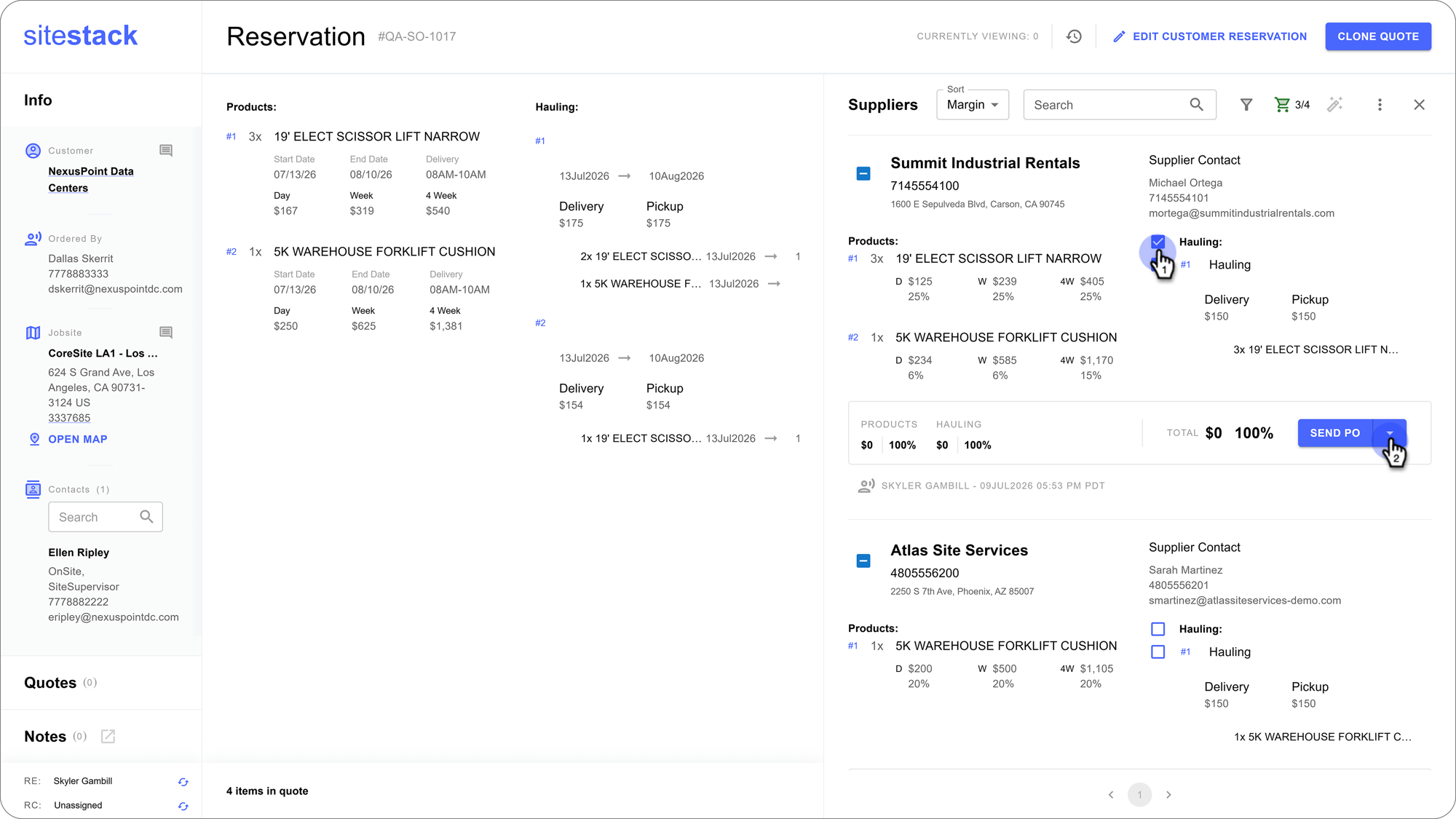
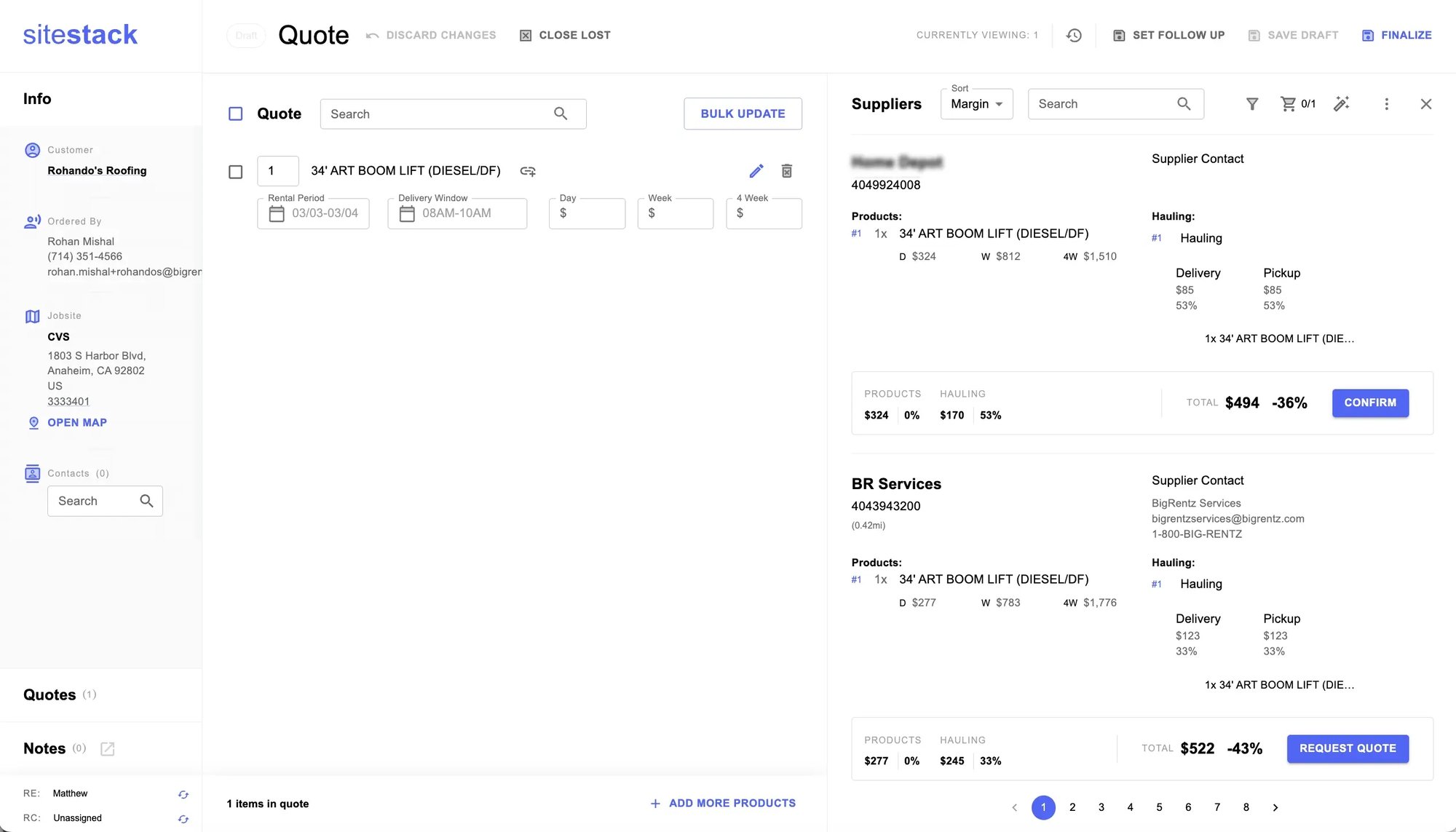
See internal equipment alongside rental suppliers and choose the best option based on availability, location, timing, logistics, and total cost.
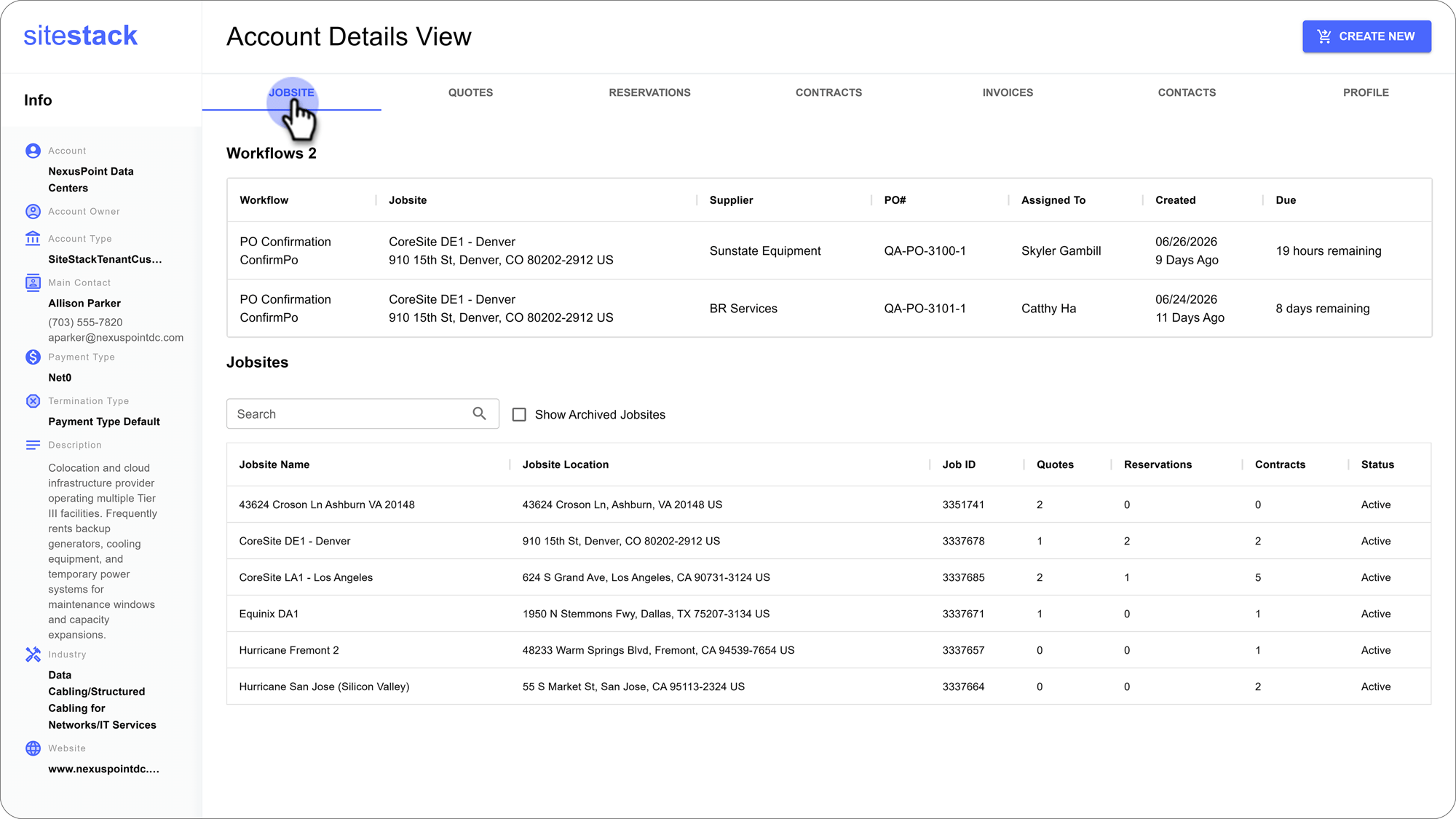
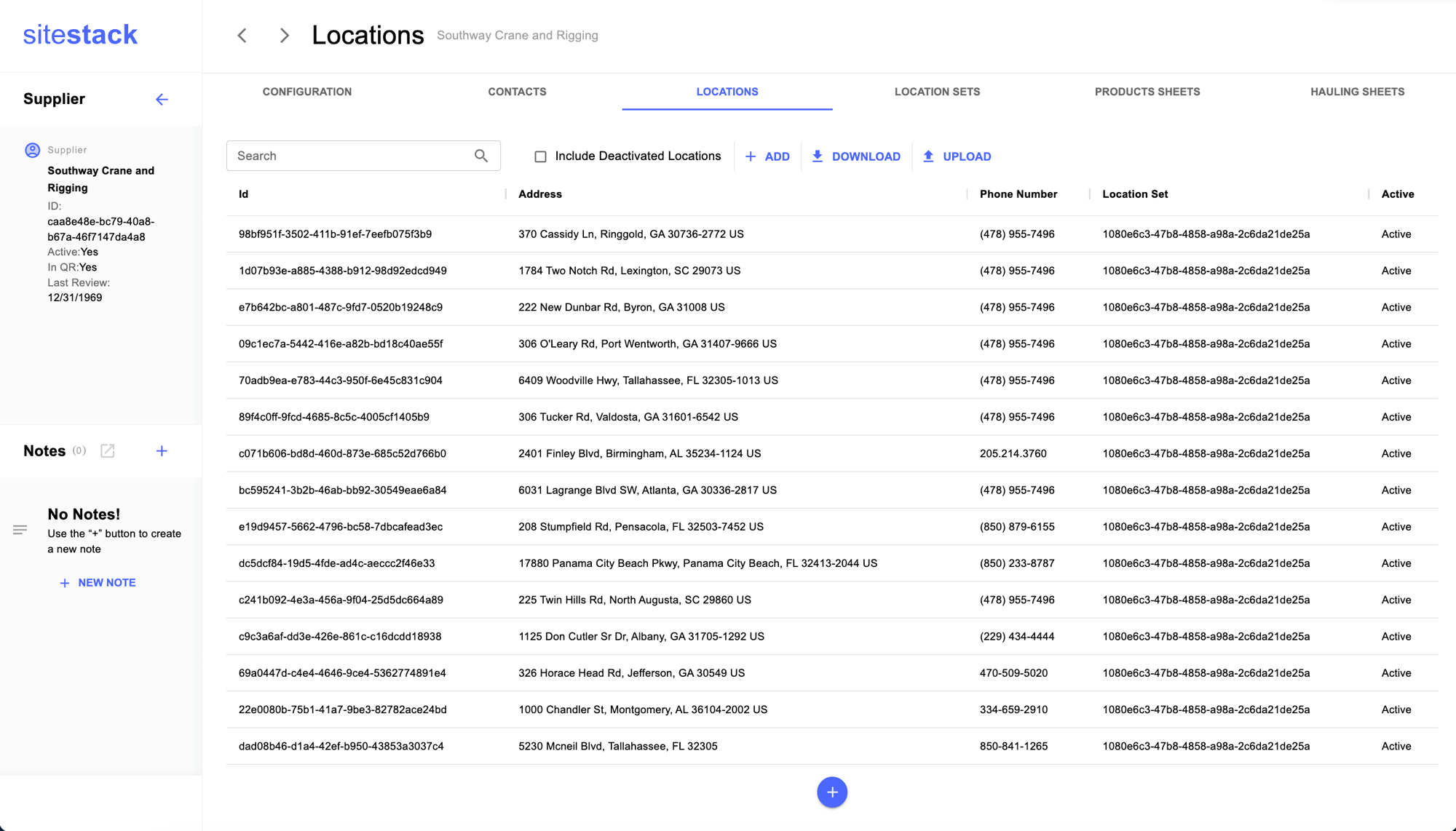
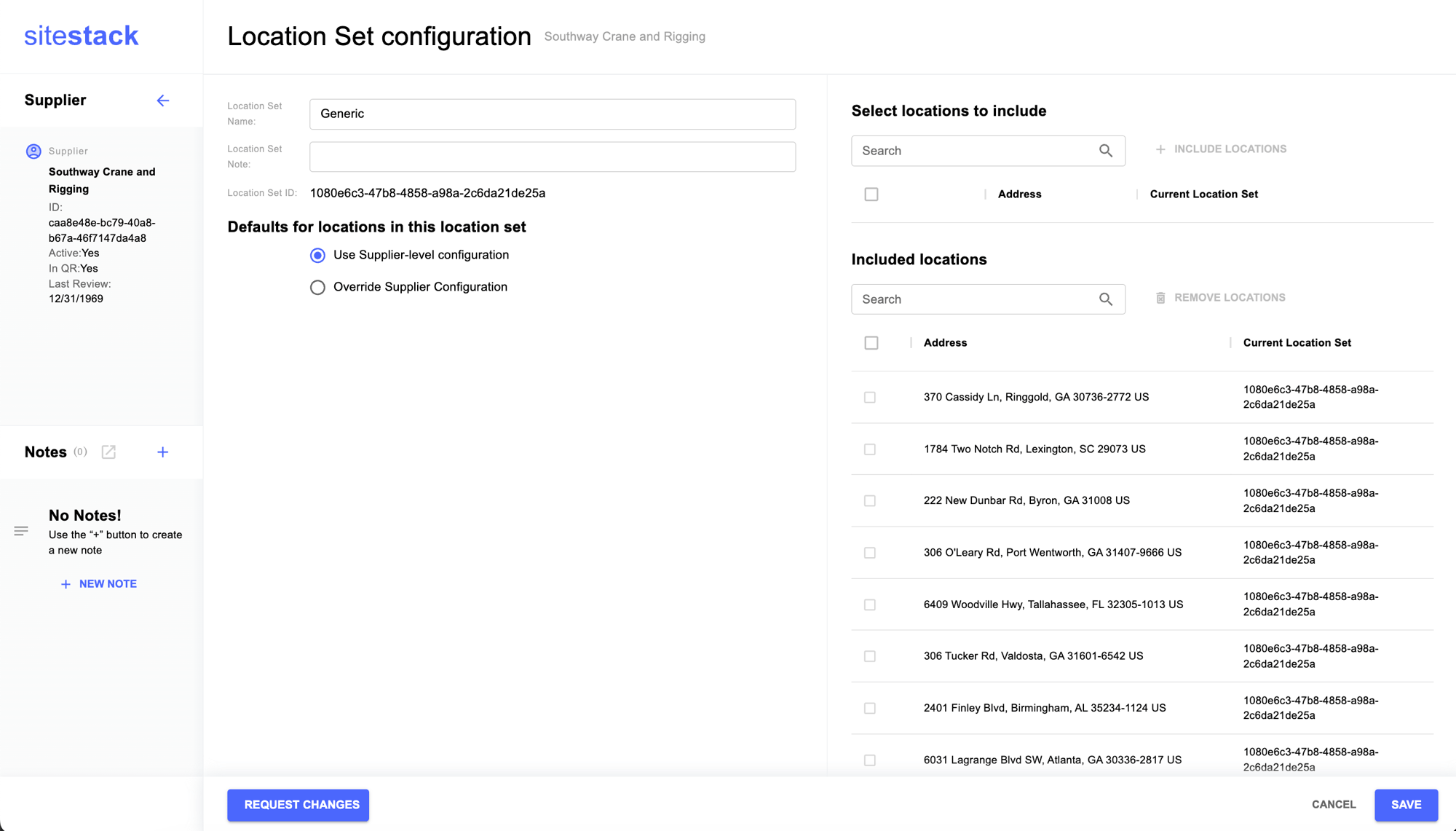
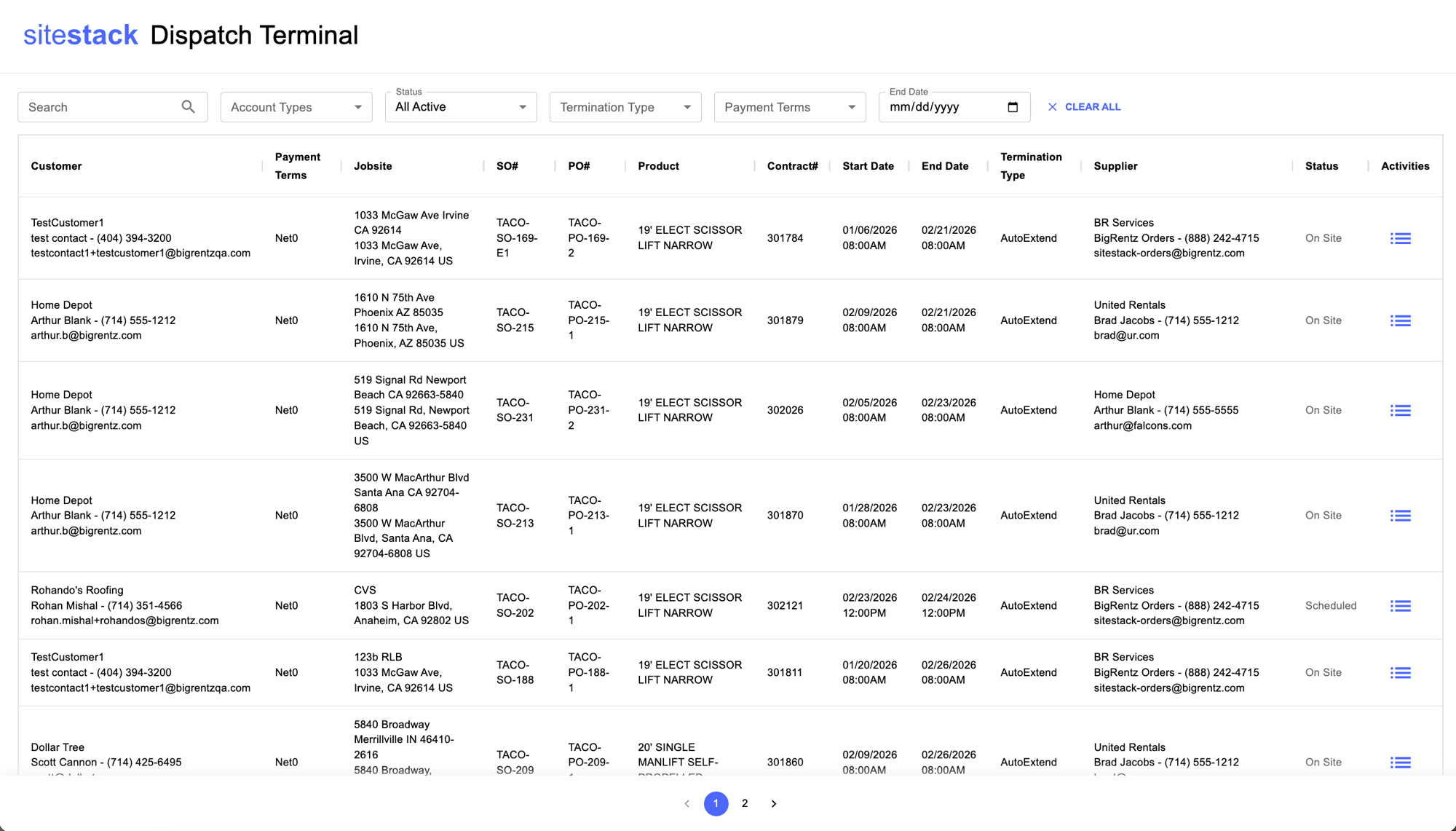
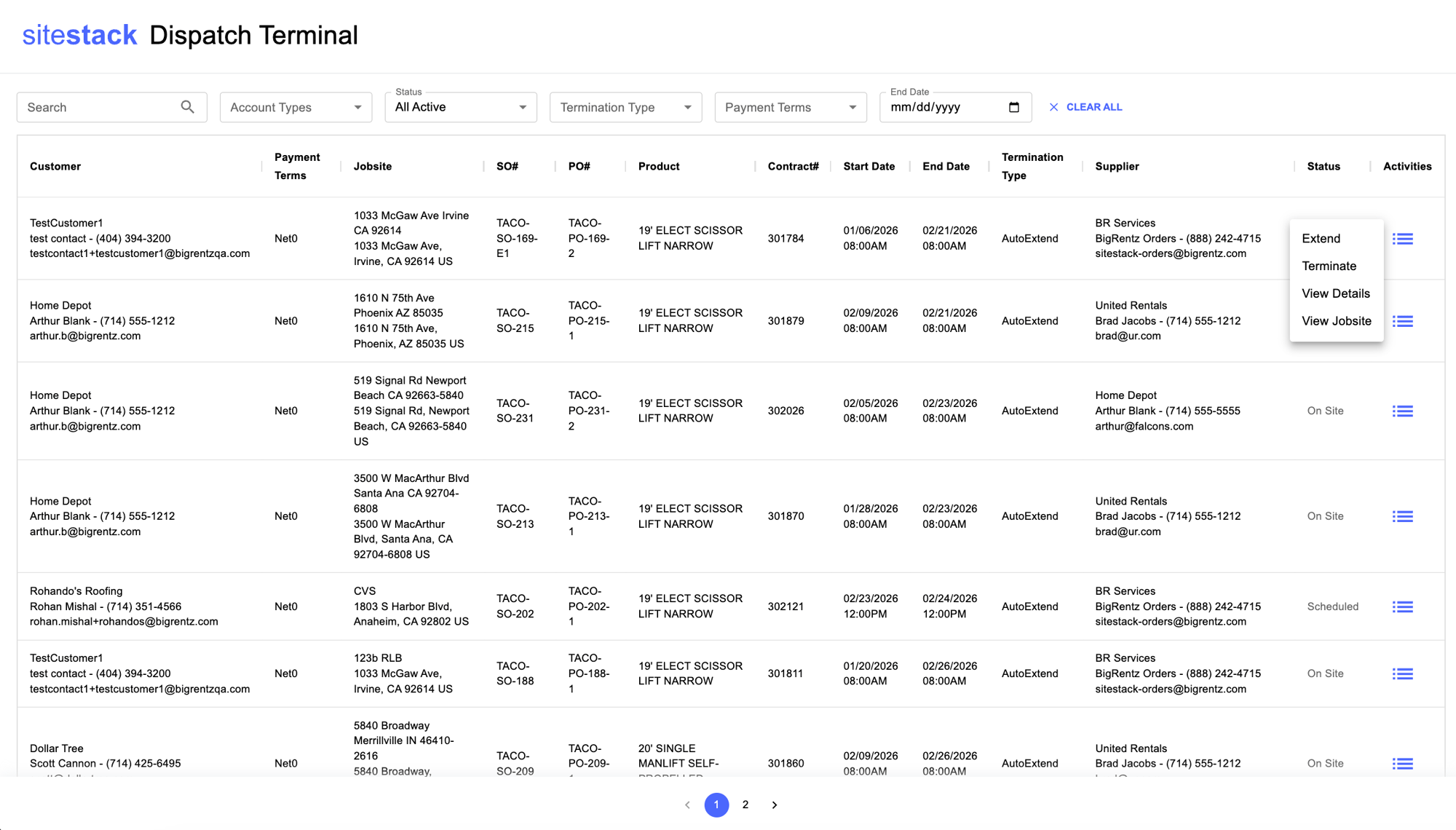
Coordinate owned, rented, and third-party equipment through one workflow for dispatch, delivery, transfers, extensions, service, call-off, and pickup.
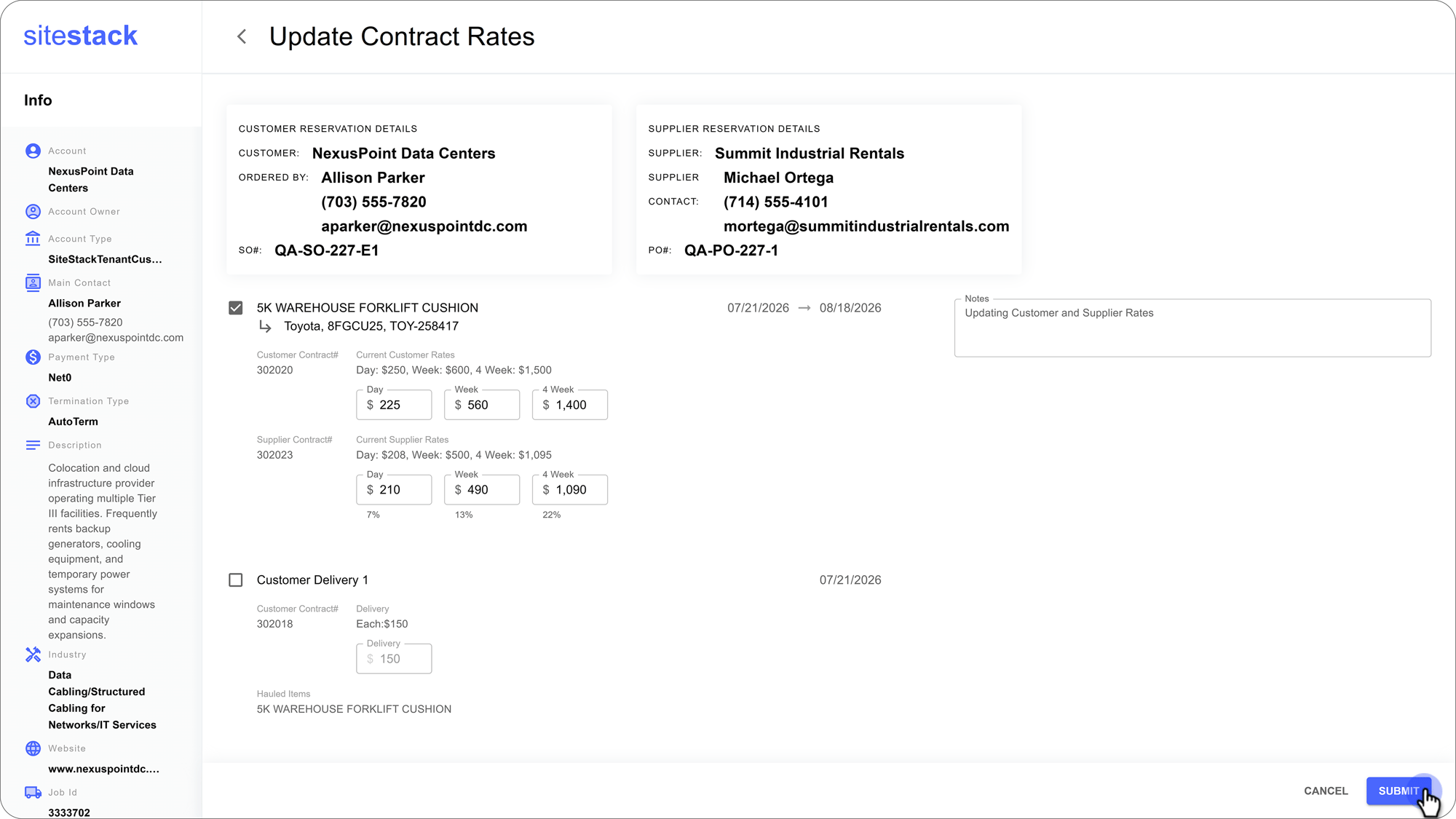
Connect internal charges, rental costs, utilization, logistics, accruals, and invoices to the project and operating record.
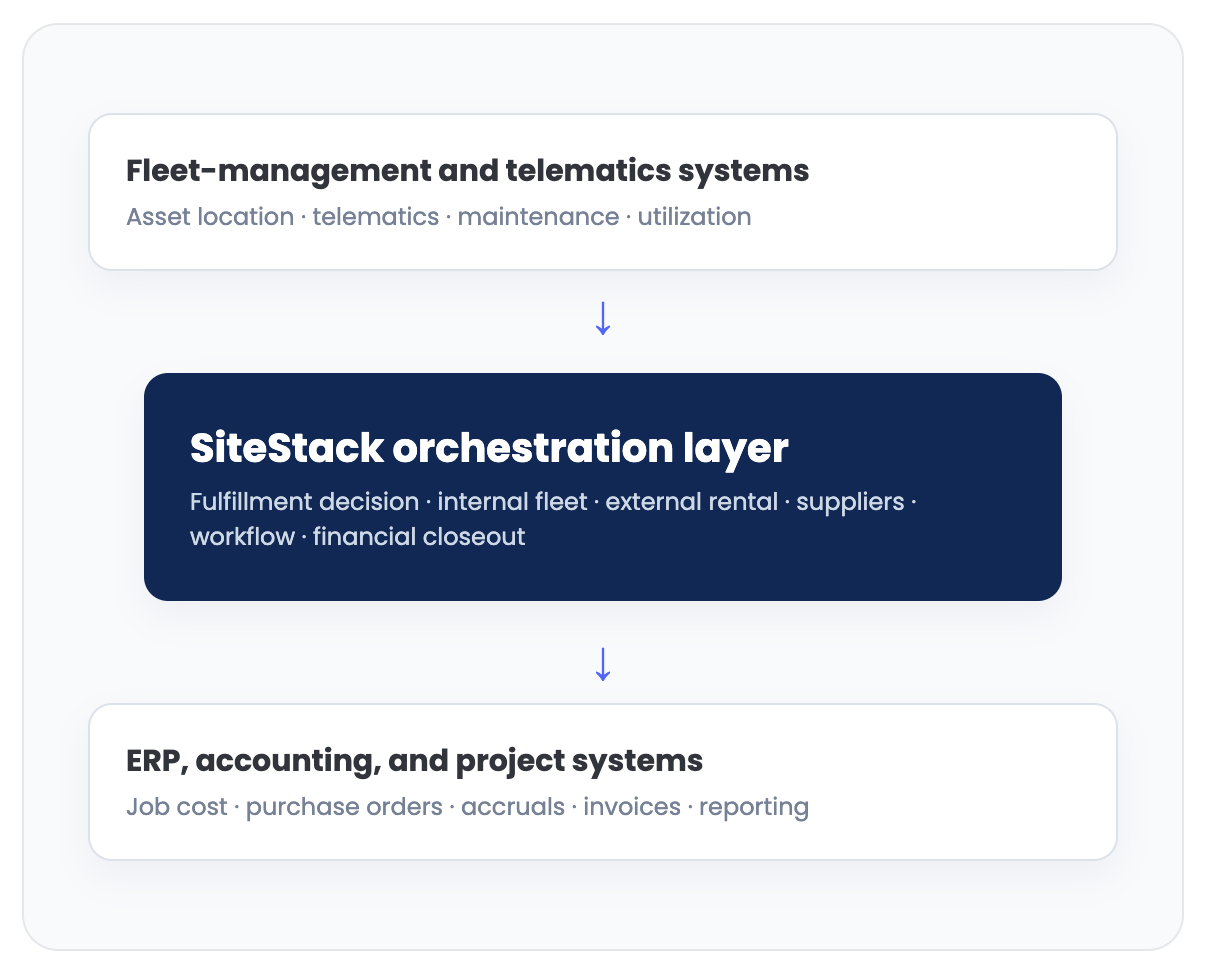
SiteStack complements platforms that specialize in tracking, maintenance, utilization, and internal equipment operations.
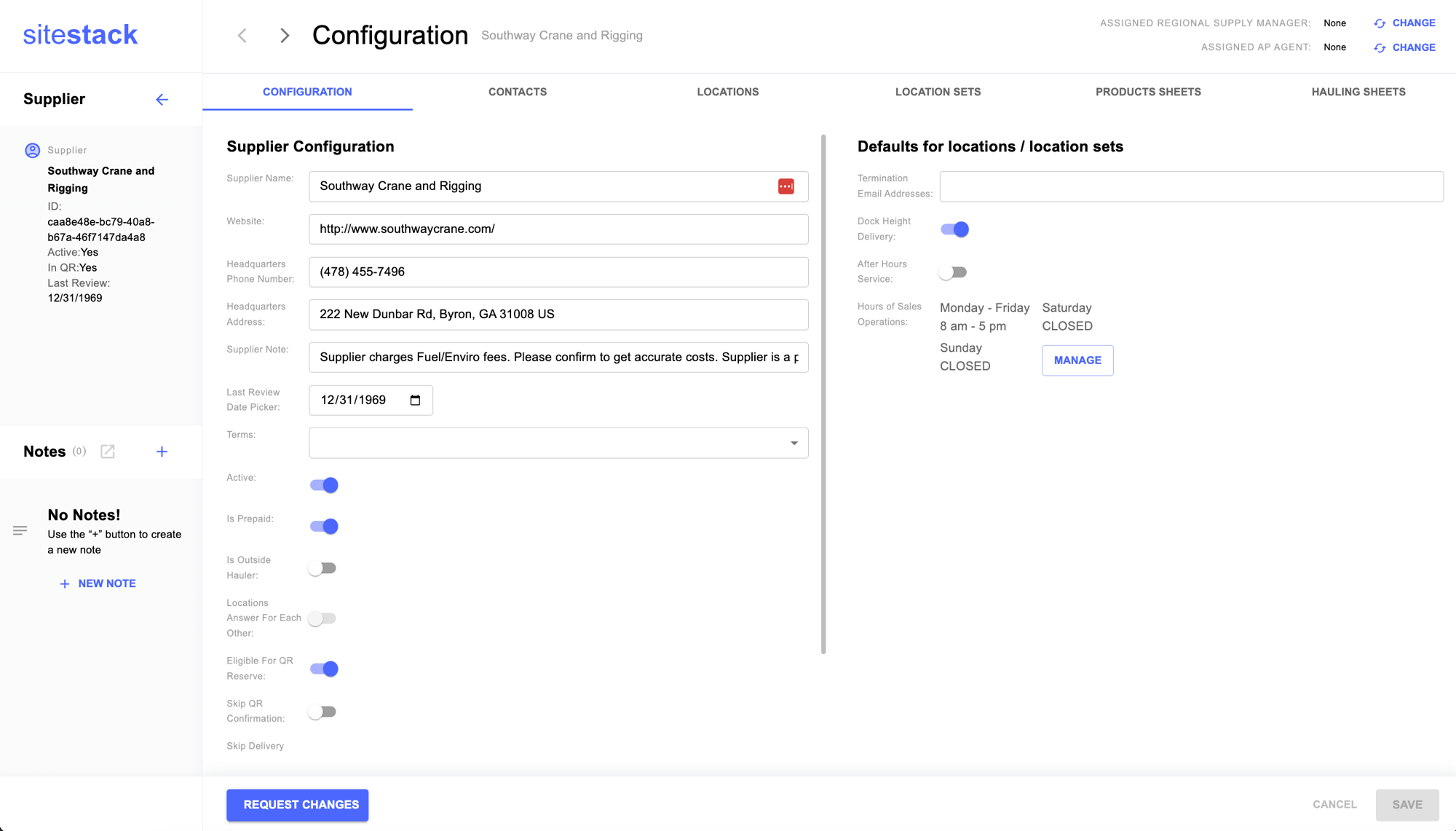
ERP, project, fleet, field and supplier systems remain systems of record for the work they own. We confirm the connection method and scope during implementation.
SiteStack solves the next problem: how each jobsite need should be fulfilled—and how owned equipment, rental suppliers, and third parties move through one procurement and financial workflow.
Treat your internal equipment operation as another supply source. Use fleet availability to decide whether to deploy internally or rent, then manage the external supplier and rental complexity in SiteStack.
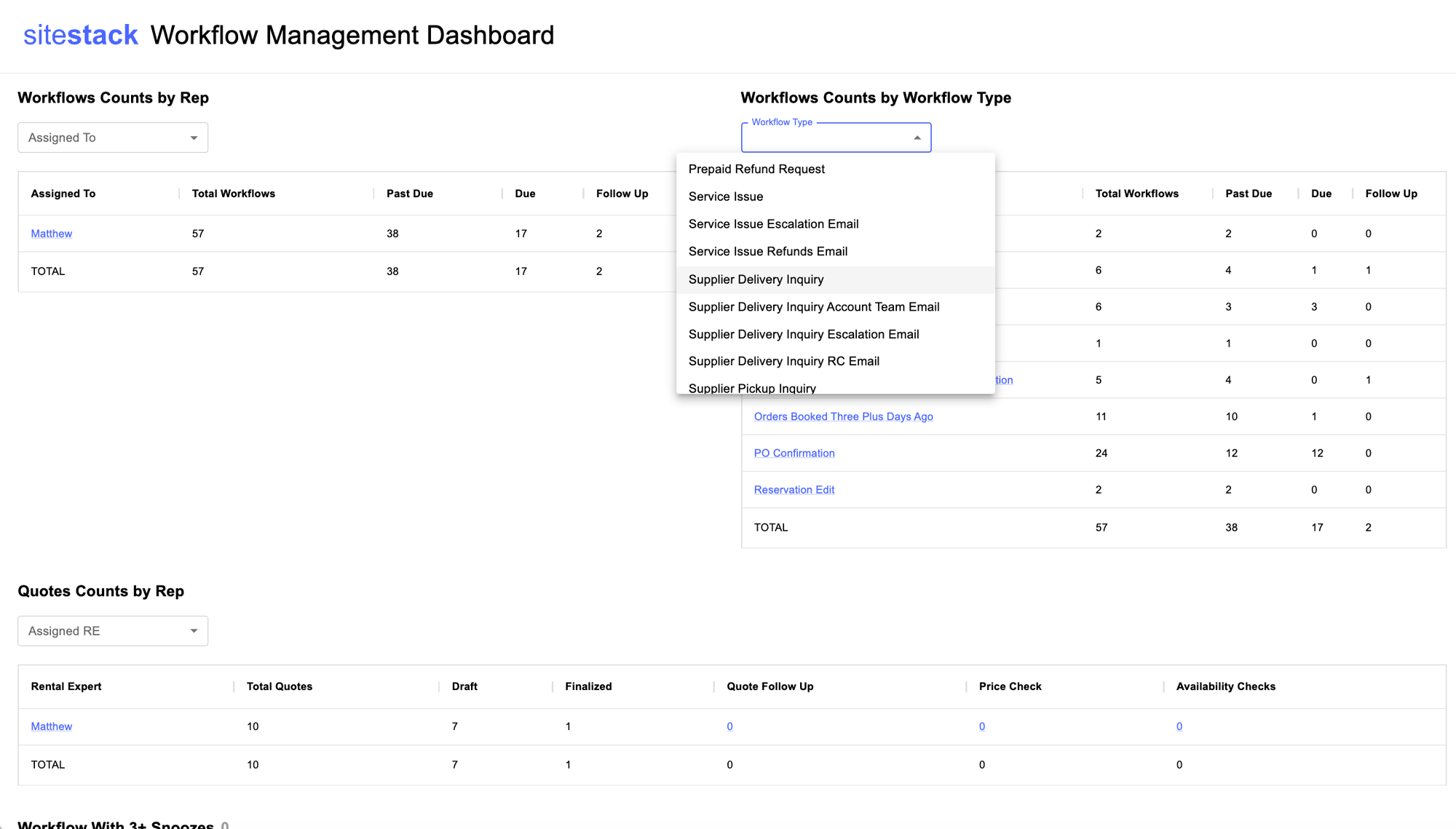
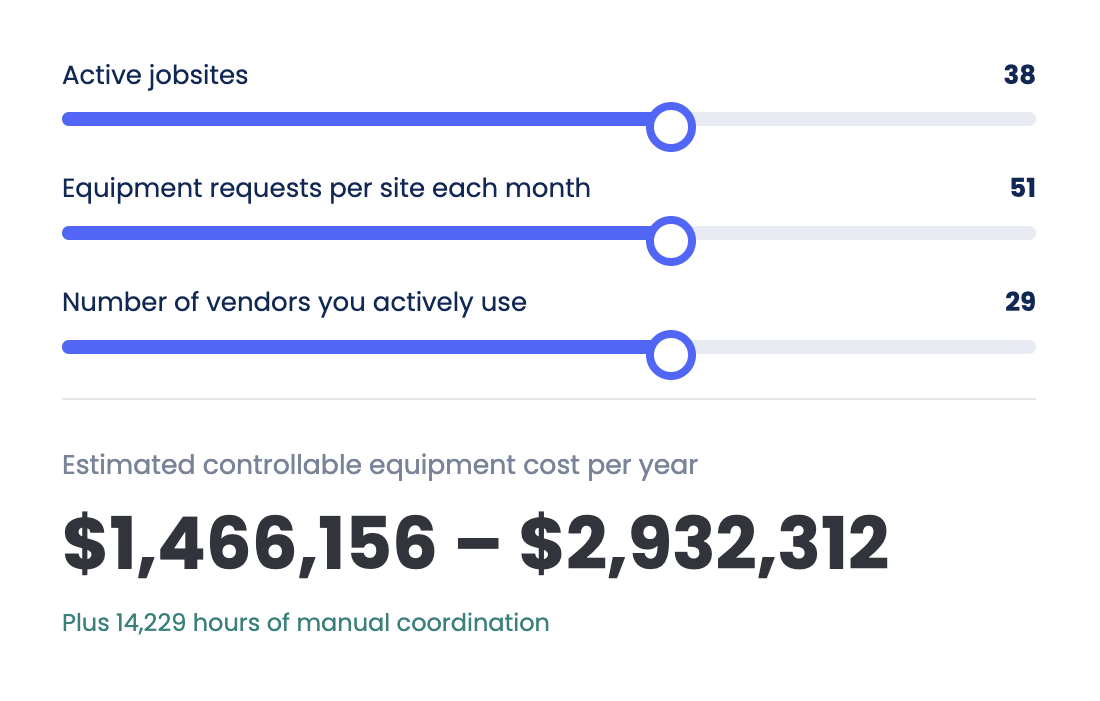
Estimate avoidable rental spend, underused internal capacity, hours lost to coordination, and operational exposure. See the result immediately—no form required.
*Existing and upcoming integrations based on customer demand.



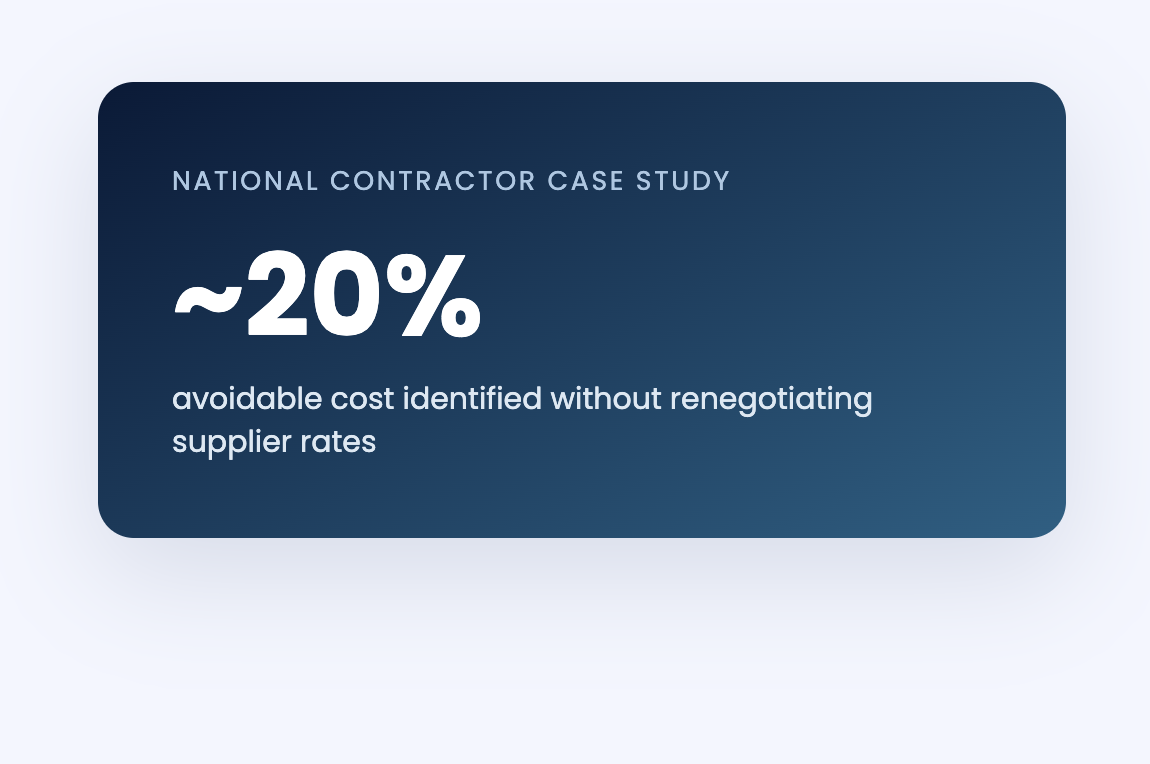
A Fortune 500 contractor already had national agreements, preferred suppliers, and centralized procurement. The savings were hiding in jobsite-level decisions and lifecycle execution.
Standardized decisions across regions and projects
If you manage multiple sites, this will take 2 minutes and reveal where hidden complexity is costing you time, money, or control.